Marketing as Step 3 and why industrial tech companies quietly lose clarity because of it
Jelica Agger Sørensen
In many industrial tech companies, marketing does not start at the beginning of the commercial process.
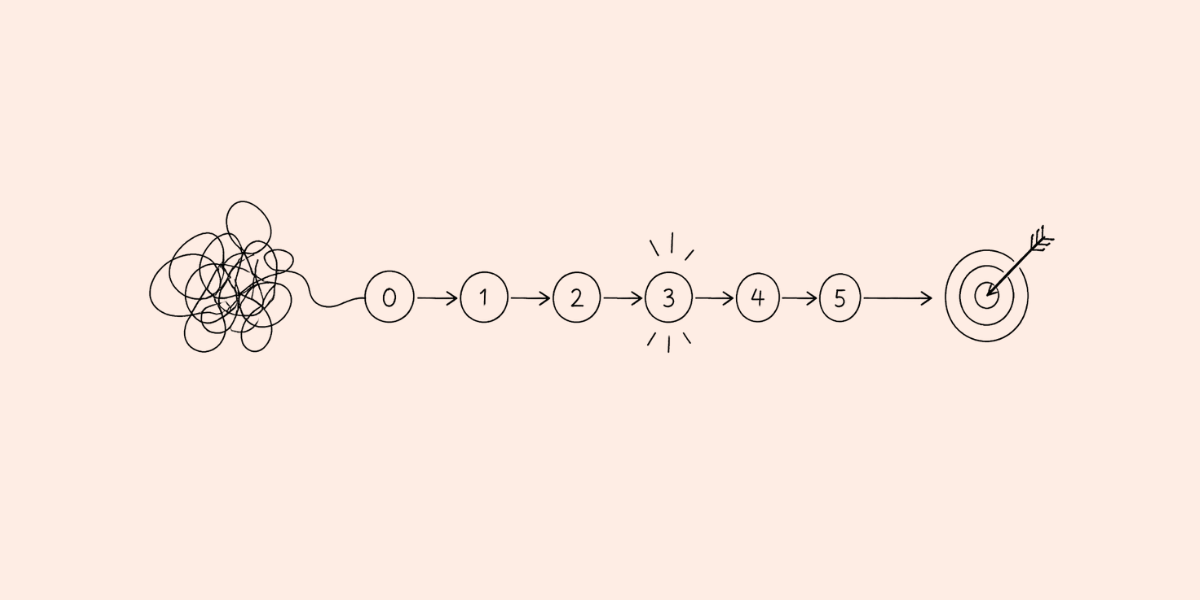
The product is already defined. The market is assumed. The sales direction is in place. And then marketing is brought in as Step 3, 4 or even Step 5: “Can you just make this visible?”
It feels efficient. It rarely is.
Because when marketing enters late, it stops being a commercial discipline and becomes a communication function. Essentially a promo department.
Why “marketing” often looks like advertising in industrial tech
Part of the confusion comes from history.
Promotion has existed for centuries. Signs, ads, trade fairs, billboards. That was never called marketing. It was advertising.
Marketing as a discipline came much later, in the early 1900s, when companies and universities started looking at markets more systematically. Not just how to promote products, but how to define markets, understand demand, set prices, and structure distribution.
In other words, marketing started much closer to business strategy than to communication.
That shift became even clearer with the marketing concept in the 1950s. The idea that companies should start with the market, not the product. Understand demand first, then build and sell into it.
But in many industrial tech companies, the practical setup still looks different.
Marketing is brought in after the product is defined. After the target “market” is assumed. After sales has already formed a narrative.
At that point, marketing is not really shaping the market. It is promoting into it.
Which is why it often ends up looking like what used to be called advertising. Brochures, trade shows, campaigns. Important activities, but disconnected from the earlier decisions that actually define where the company wins.
The difference is simple, but it changes everything.
Step 0 thinking, market first
Define where we play
Define who actually buys and why
Define how value is created and captured
Then build messaging, sales motion and campaigns on top of that
Step 3 thinking, execution first
Product is defined
Sales strategy is assumed
Then marketing is asked to communicate it
In Step 3 setups marketing is downstream. It reacts to decisions made elsewhere. In Step 0 setups marketing is part of defining those decisions in the first place.
Most industrial tech companies say they want the latter. Most organisational setups still force the former.
In software companies marketing often sits closer to product and data. Tools like Salesforce, HubSpot and product analytics platforms naturally force alignment between positioning, demand generation and sales execution.
In industrial tech the distance is usually larger: engineering to product to sales to marketing.
That sequence works for delivery, but it creates a gap in commercial logic. By the time marketing enters the “market definition” is already locked in, often too broad.
That is where you end up with terms like "energy market", "industrial customers" or "manufacturing companies".
Useful internally. Almost meaningless commercially.
The cost of Step 3 marketing
When marketing is structurally placed late in the chain, three things tend to happen.
Positioning becomes generic because it must fit pre decided assumptions
Sales narratives vary because there is no shared market definition
Execution becomes tactical because strategy is already considered finished
Over time this creates a quiet inefficiency. A lot of activity, but limited focus.
It is designed for companies that already have strong technology and execution capability, but lack a clear shared definition of where that capability actually creates commercial advantage.
Instead of starting with messaging or campaigns it starts one level earlier.
Where do we actually compete
Which segments behave differently
Where is value really created and captured
And just as importantly where are we not competing
Only then does marketing become effective in the traditional sense.
The shift
Moving from Step 3 marketing to Step 0 thinking is not a marketing upgrade.
It is a commercial redefinition of how the business sees its own market.
And once that is in place everything downstream, messaging, sales execution and demand generation, becomes simpler. Not easier, but clearer.
Because clarity in markets is rarely about doing more.
It is about deciding less, but better.
If this feels familiar
If marketing in your organisation often starts after everything else is decided, you are not dealing with an execution problem.
You are dealing with a market definition problem.
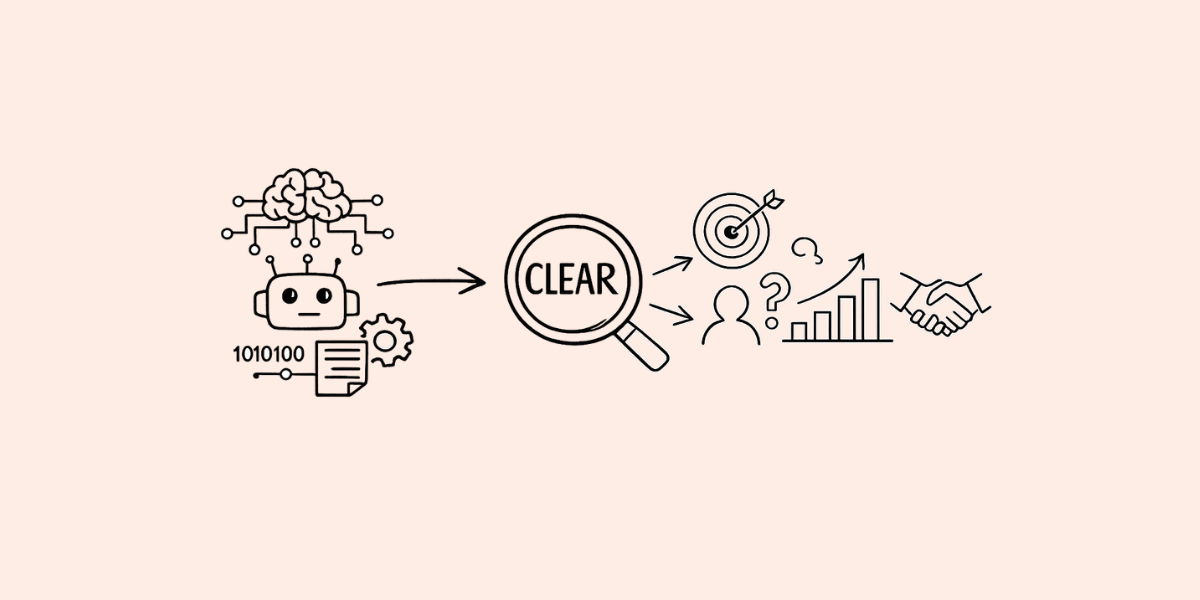
This is exactly what my Market Clarity service is built to solve. Not by adding more activity, but by defining where you actually compete and how that translates into commercial focus.